
Louvre Abu Dhabi
Attraction TicketsFromAED 65per person
View tour 
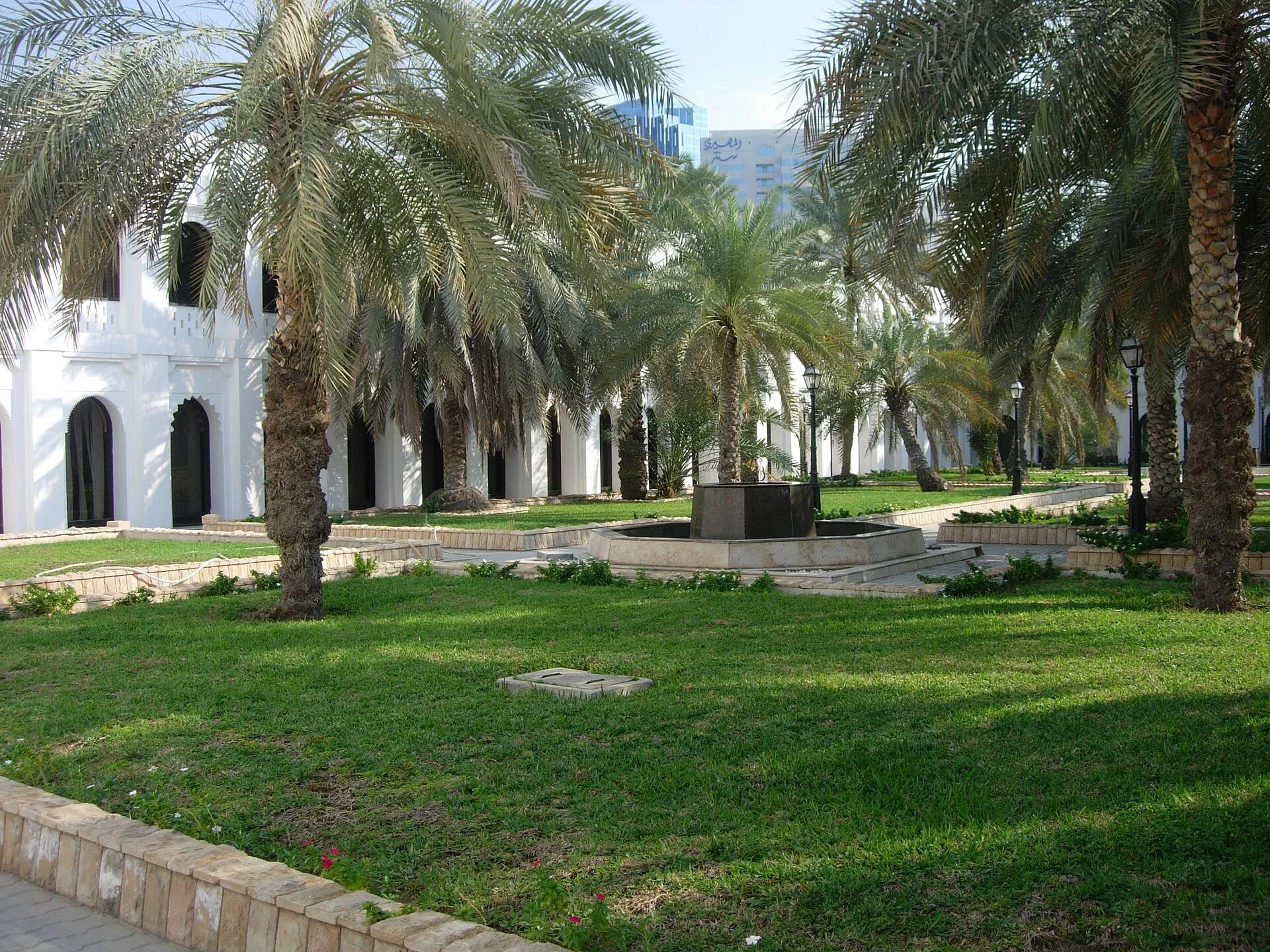
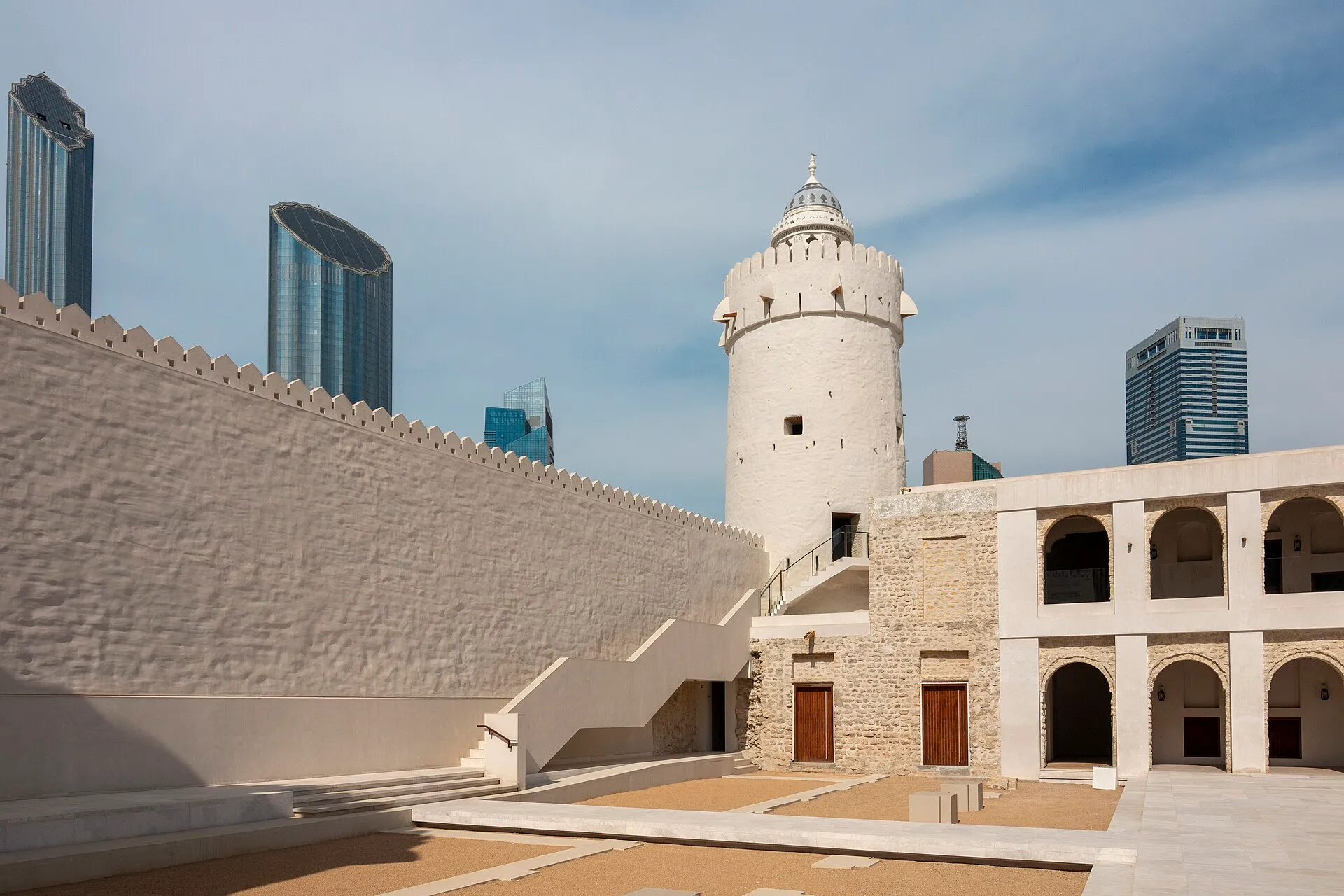
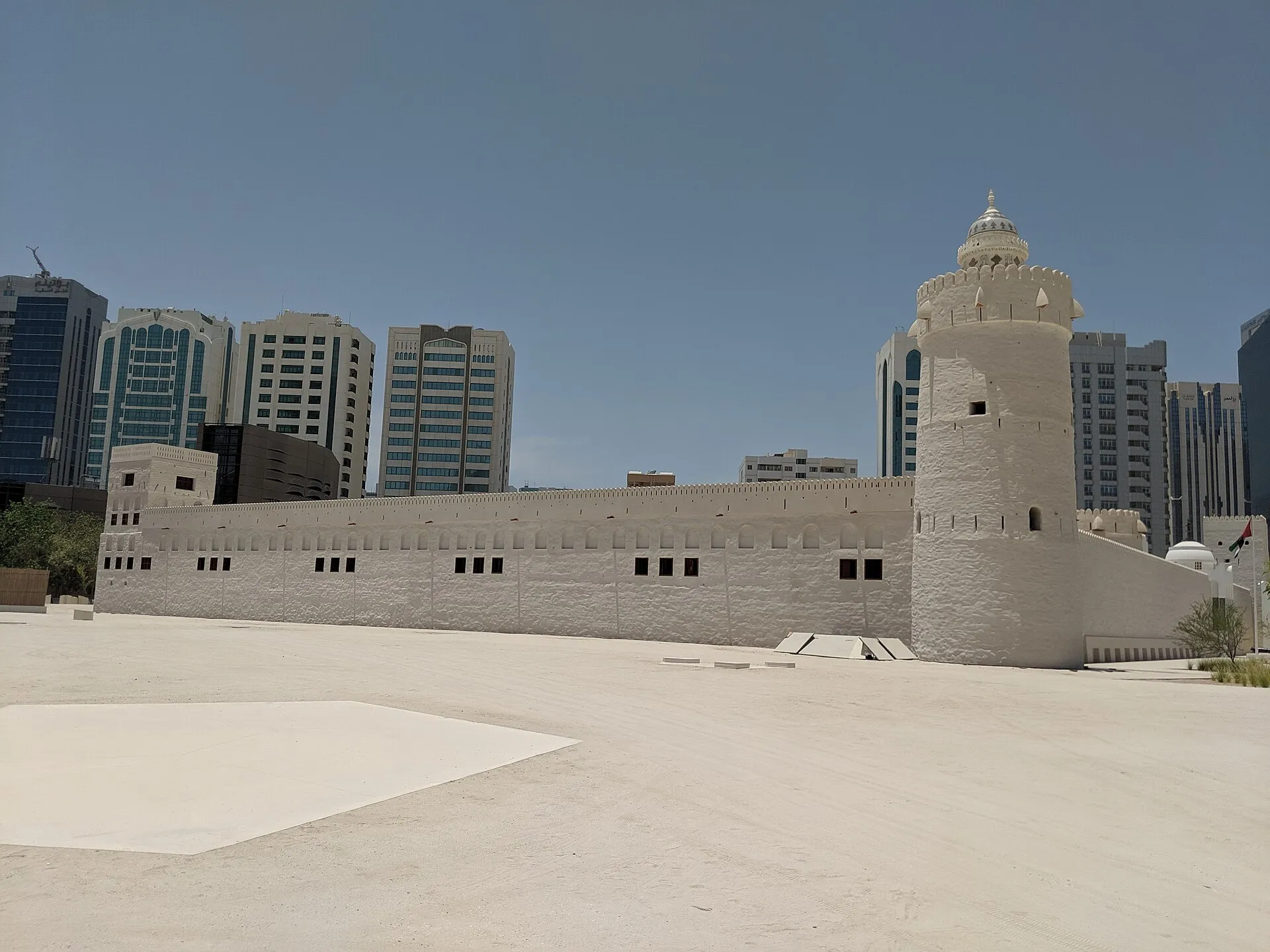
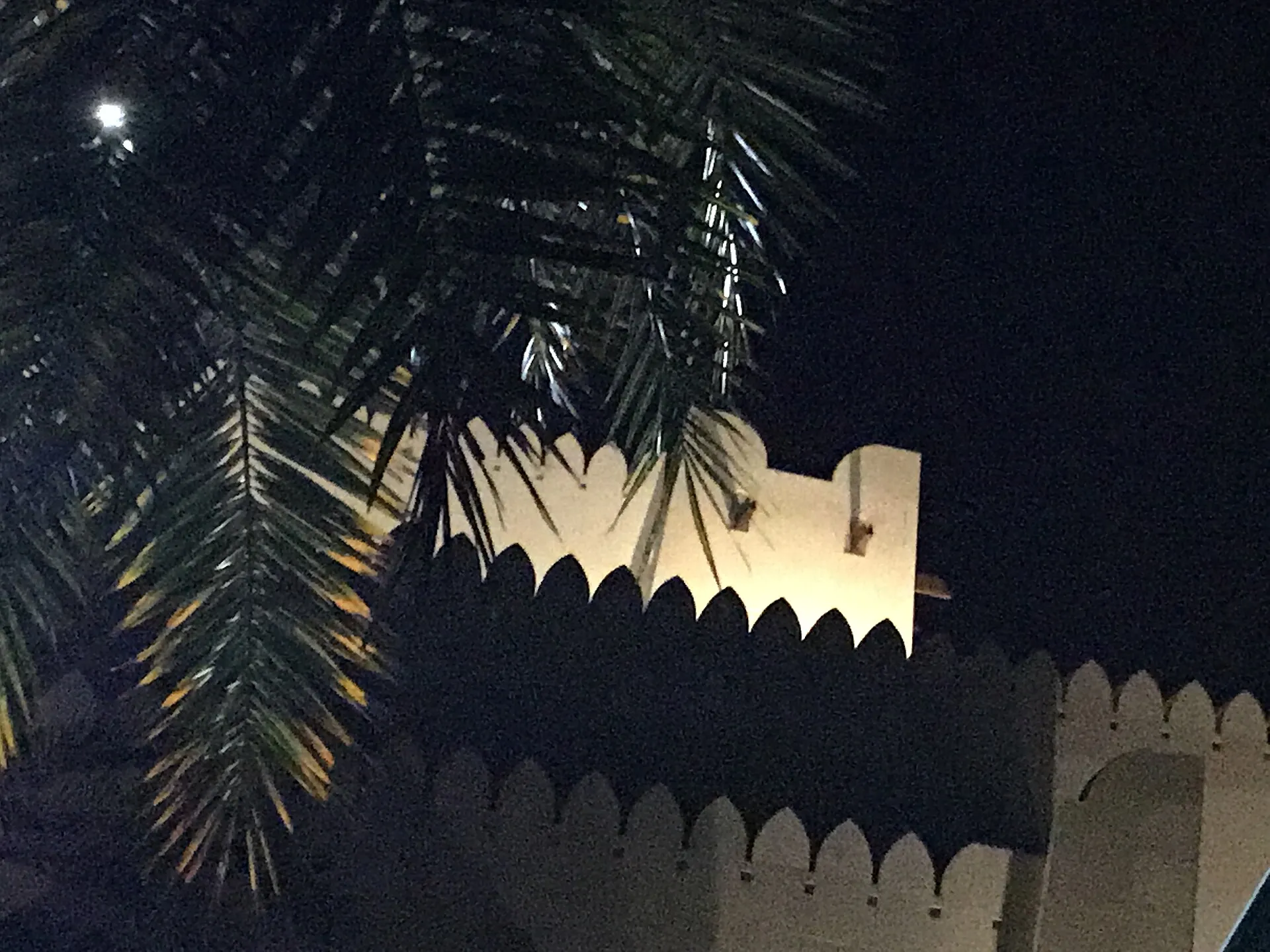
Long before the skyline rose around it, Qasr Al Hosn was the beating heart of Abu Dhabi. Its first watchtower, built from coral and sea stone in the late 18th century to guard the island’s only freshwater well, is the city’s oldest standing structure. Over the following generations it grew into the Inner Fort and then the whitewashed Outer Palace, serving as the home of the ruling family, the seat of government and, later, the national archive.
After more than a decade of careful conservation, the fort reopened as a museum in 2018. Today guests walk through cool courtyards, thick-walled rooms and restored towers while galleries tell the story of the people who lived here, from the pearling era to the founding of the modern emirate. The original watchtower is one of the most photogenic corners of the capital.
Your ticket usually covers the wider Al Hosn experience. At the House of Artisans, Emirati craftspeople demonstrate Al Sadu wool weaving, Khoos palm-leaf weaving and Talli embroidery with gold and silver thread, and pieces can be bought directly from the makers. Bait Al Gahwa shows the full ritual of Arabic coffee, from roasting the beans to serving with dates. Across the plaza, the Cultural Foundation, established in 1981 under Sheikh Zayed, hosts exhibitions, a children’s library and a theatre.
It is an easy, rewarding stop for first-time visitors who want to understand Abu Dhabi beyond its landmarks, and it pairs well with an afternoon at the Corniche or a visit to the Grand Mosque. We confirm availability and your final price on WhatsApp before any payment.
Exact ticket and price confirmed with your booking.
Comfortable shoes and a hat for the open courtyards
Main entrance of the Al Hosn site, central Abu Dhabi
Suitable for all ages; UAE citizens and residents under 18 or over 60 currently enter free
Displays in Arabic and English
The daily pass usually covers the fort museum, the House of Artisans and Bait Al Gahwa coffee house, along with the site's activity programme.
Its original watchtower dates from the late 18th century and is considered Abu Dhabi's first permanent structure. The Outer Palace was added in the late 1930s and 1940s.
Yes. The open courtyards and live craft demonstrations work well for families, and resident children under 18 currently enter free.
Most visitors spend around one and a half to two hours across the fort and the craft and coffee houses.
Keep exploring